Customizable SME Business Plan Template for Success: Your Path to Growth

Starting or growing a small to medium-sized enterprise can feel like navigating a maze. You have the passion, the product, and the drive, but sometimes the roadmap isn’t clear. That’s where a solid business plan comes in. It’s not just a document; it’s your guide, your strategy, and your story all rolled into one. Today, I want to share how a customizable SME business plan template can be your secret weapon for success. Let’s explore how you can tailor this tool to fit your unique vision and goals.
Why a Customizable SME Planning Template Matters
When I first started working with small businesses, I noticed a common challenge: many entrepreneurs try to fit their ideas into rigid business plan formats that don’t quite match their needs. That’s why a customizable SME planning template is so powerful. It gives you a framework but lets you shape it to your business’s personality and market.
Think about it like this: a one-size-fits-all plan might leave out crucial details or force you to include irrelevant sections. But a customizable template adapts to your industry, your goals, and your growth stage. It helps you focus on what truly matters.
Here’s what makes a customizable template stand out:
Flexibility: You can add or remove sections based on your business model.
Clarity: It guides you to articulate your vision clearly.
Efficiency: Saves time by providing a ready structure.
Professionalism: Helps you present your business confidently to investors or partners.
By using a template that molds to your needs, you’re not just planning; you’re strategizing with intention.
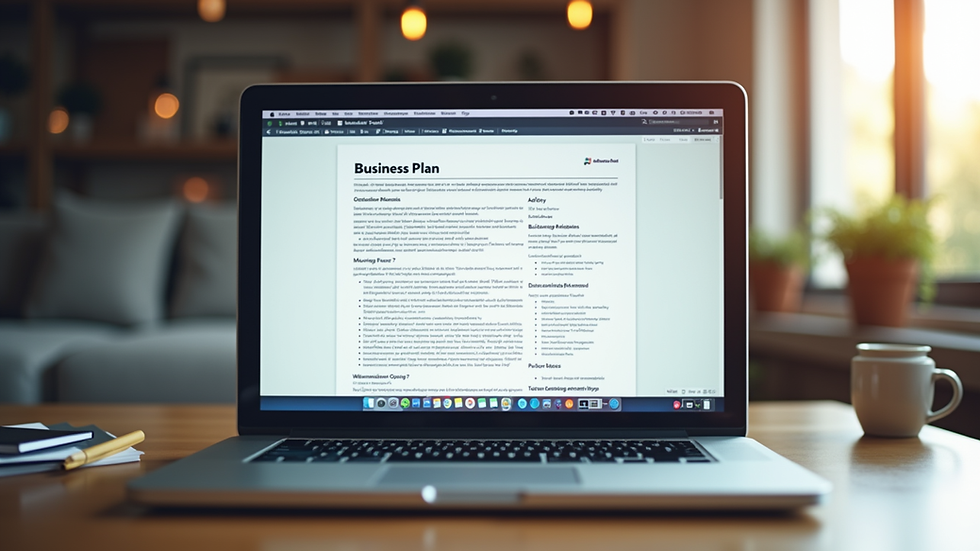
How to Use an SME Planning Template Effectively
Having a template is one thing, but using it effectively is another. I’ve seen many entrepreneurs get stuck because they treat the template like a checklist rather than a living document. Here’s how you can make the most of your SME planning template:
1. Start with Your Vision and Mission
Before diving into numbers and marketing strategies, take a moment to reflect on why your business exists. What problem are you solving? Who are you serving? This clarity will guide every other section of your plan.
2. Be Specific and Realistic
When you outline your goals, break them down into achievable steps. Instead of saying “increase sales,” say “grow sales by 15% in the next 12 months through targeted social media campaigns.” Specificity makes your plan actionable.
3. Use Data to Support Your Assumptions
Market research isn’t just a box to tick. It’s the foundation of your strategy. Use real data about your competitors, customers, and industry trends to back up your projections.
4. Keep It Simple and Clear
Avoid jargon or overly complex language. Your plan should be easy to understand for anyone who reads it, whether it’s a potential investor or a team member.
5. Review and Update Regularly
Your business will evolve, and so should your plan. Set a schedule to revisit and revise your plan every few months. This keeps you aligned with your goals and ready to adapt to changes.
By following these steps, your SME planning template becomes a dynamic tool that grows with your business.
Crafting Each Section of Your Business Plan
Let’s break down the key sections you’ll find in a typical SME business plan template and how to customize them for your success.
Executive Summary
This is your elevator pitch on paper. Summarize your business idea, goals, and what makes you unique. Keep it concise but compelling. Imagine you have just a minute to grab someone’s attention.
Business Description
Here, dive deeper into your business model, the market you’re entering, and your competitive advantage. Share your story and what drives you. This section sets the tone for the rest of the plan.
Market Analysis
Use this section to showcase your understanding of the market landscape. Include customer demographics, market size, and competitor analysis. Highlight opportunities and potential challenges.
Organisation and Management
Outline your team structure, roles, and expertise. If you’re a solo entrepreneur, explain how you plan to manage operations or bring in support.
Marketing and Sales Strategy
Detail how you will attract and retain customers. Include pricing, promotion, sales channels, and customer engagement tactics. Be creative but grounded in what your audience responds to.
Product or Service Line
Describe your offerings in detail. Explain the benefits, lifecycle, and any plans for future development. This helps stakeholders see the value you provide.
Financial Projections
This is where numbers come alive. Include income statements, cash flow forecasts, and balance sheets. Use realistic assumptions and be prepared to explain your figures.
Funding Request (if applicable)
If you’re seeking investment, clearly state how much you need, how you will use the funds, and the expected return. Transparency builds trust.
Appendix
Add any additional documents, charts, or references that support your plan.
Each section is a piece of the puzzle. When customized thoughtfully, they create a clear picture of your business’s potential.

Bringing Your Plan to Life: Tips for Implementation
A business plan is only as good as the action it inspires. Once your plan is ready, how do you turn it into reality?
Set Milestones: Break your goals into smaller milestones with deadlines. Celebrate each achievement to stay motivated.
Communicate Your Plan: Share your plan with your team or advisors. Their feedback can provide new insights and keep everyone aligned.
Monitor Progress: Use key performance indicators (KPIs) to track your progress. Adjust your strategies if something isn’t working.
Stay Flexible: The business world changes fast. Be ready to pivot while keeping your core vision intact.
Leverage Resources: Don’t hesitate to seek help from mentors, business networks, or professional services.
Remember, your plan is a living document. It’s your roadmap, but you’re the driver steering towards success.
Why I Recommend Using a sme business plan template
In my experience, having a structured yet adaptable plan is a game-changer. The right template saves you time, reduces overwhelm, and helps you focus on what truly matters. It’s like having a trusted partner guiding you through the complexities of business planning.
Whether you’re just starting out or looking to scale, a customizable SME business plan template empowers you to:
Clarify your business goals
Identify potential risks and opportunities
Communicate your vision effectively
Build confidence with investors and partners
If you want to build a strong foundation and set yourself up for sustainable growth, this tool is indispensable.
Taking the Next Step Toward Your Business Success
I hope this guide has inspired you to embrace the power of a customizable SME business plan template. Remember, success doesn’t happen by chance. It happens by design. By investing time in planning, you’re investing in your future.
So, what’s your next move? Will you start drafting your plan today? Or maybe revisit your existing one with fresh eyes? Whatever it is, take that step with confidence. Your business deserves a plan as unique and ambitious as you are.
Let’s build something great together.


Comments